NEW YORK
Affective cartographies of an invisible city: a sensitive mapping of spaces inhabited by bodies of/in the street
REFERENCES
IPEA; MARCO A.C. NATALINO (ORG.)
A POPULAÇÃO EM SITUAÇÃO DE RUA NOS NÚMEROS DO CADASTRO ÚNICO (2024)
[The Homeless Population in Cadastro Único Data – gloss only]
–
JEAN-PAUL THIBAUD
LA COMPRÉHENSION DE L'EXPÉRIENCE SENSIBLE
In ﹏. La ville à l'épreuve des sens (Habilitation à Diriger les Recherches). Grenoble: Université Pierre Mendes, 2003, p. 71–86.
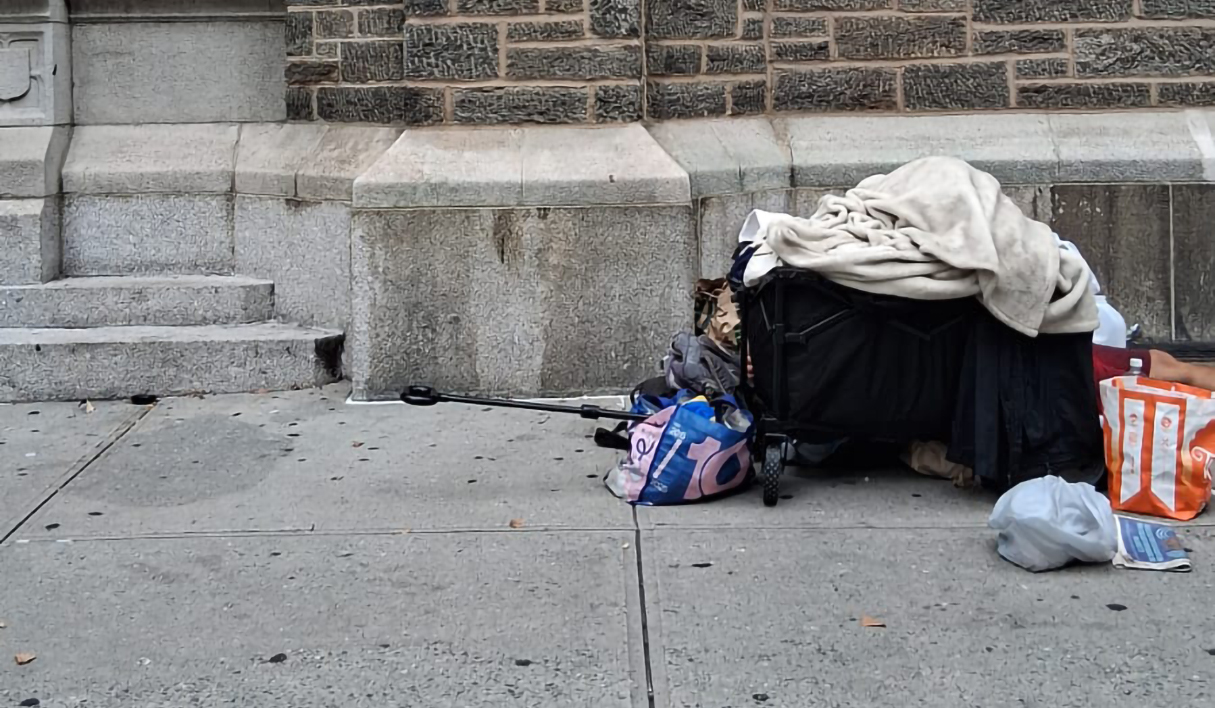
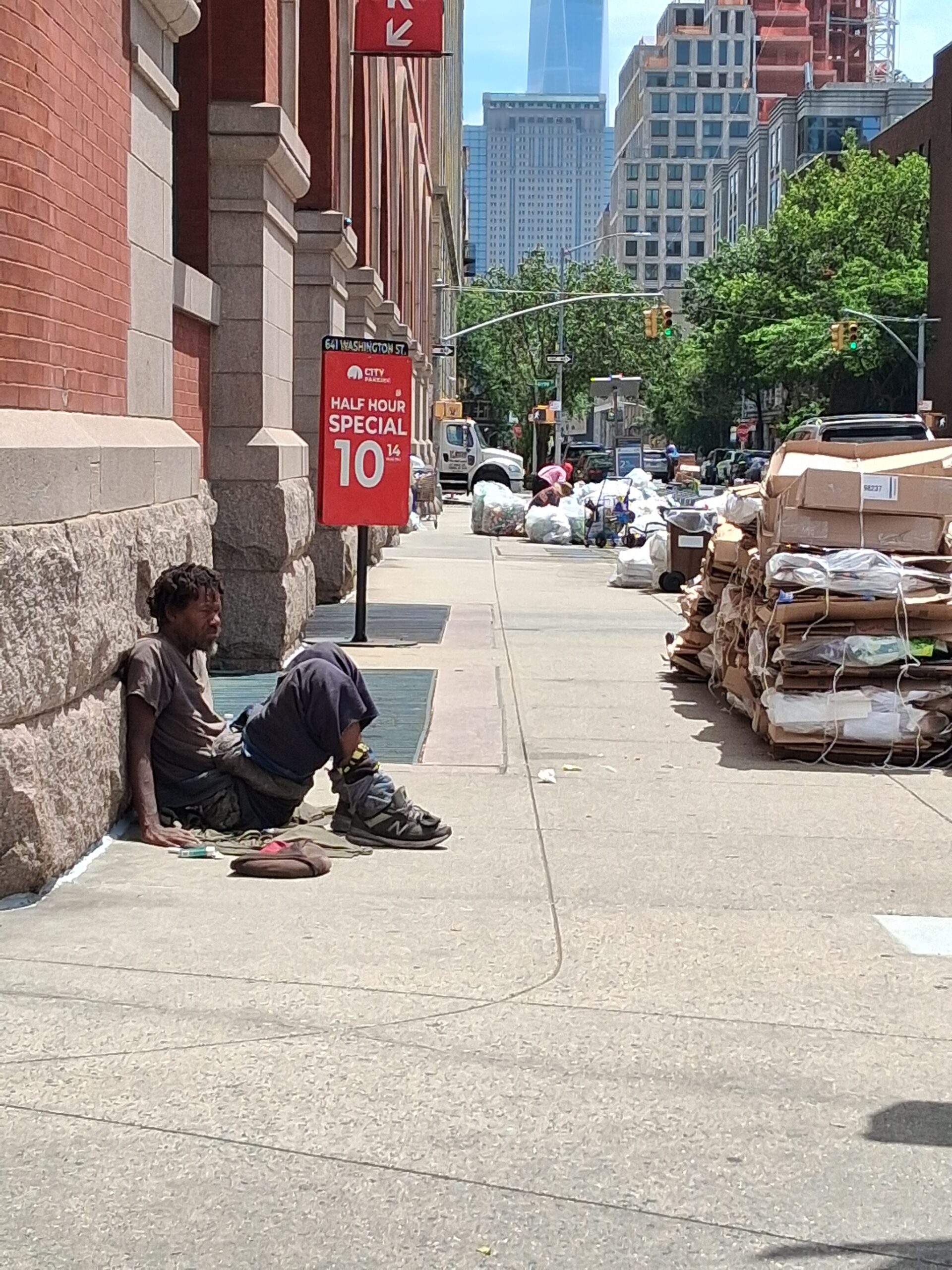
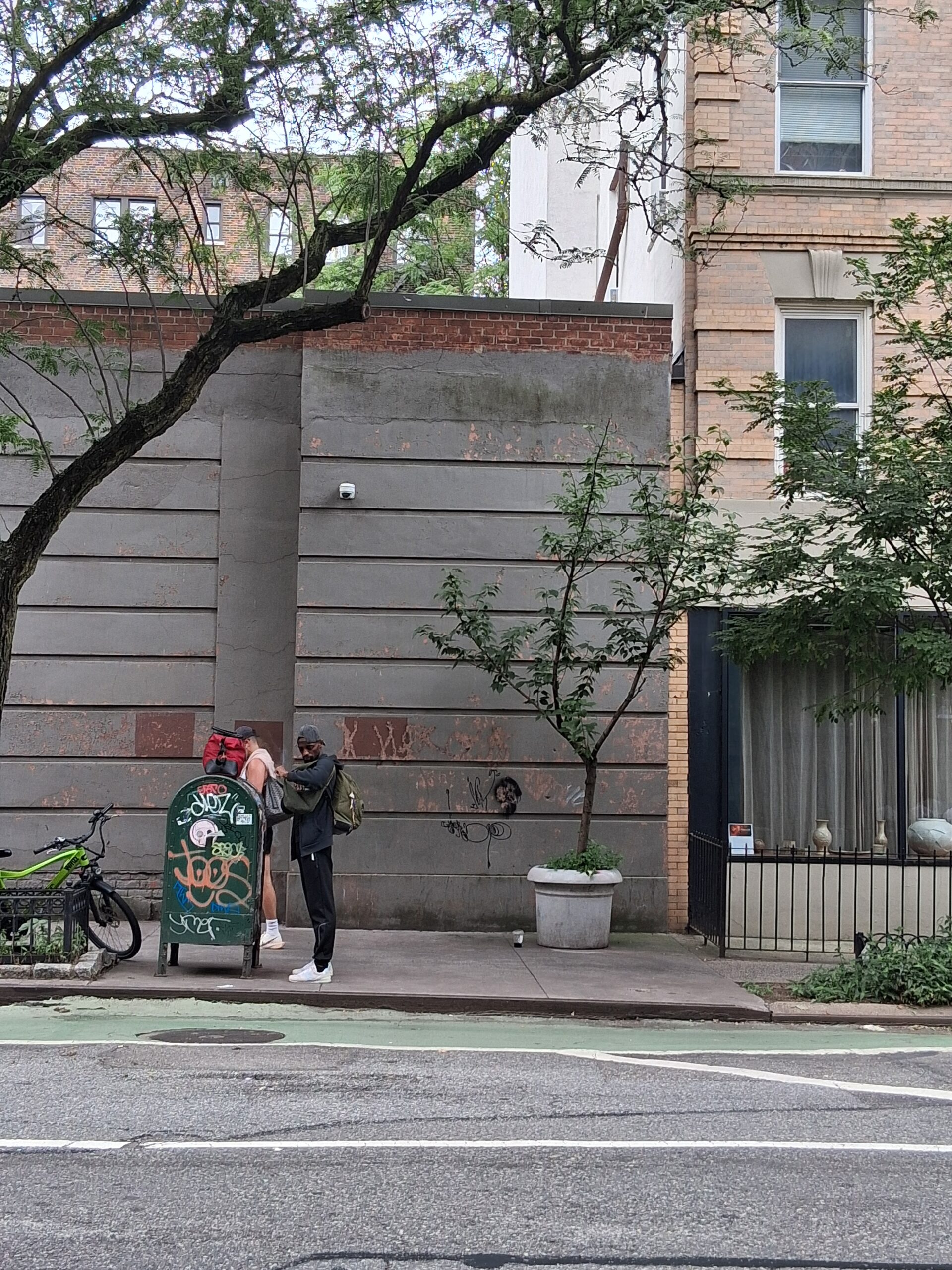
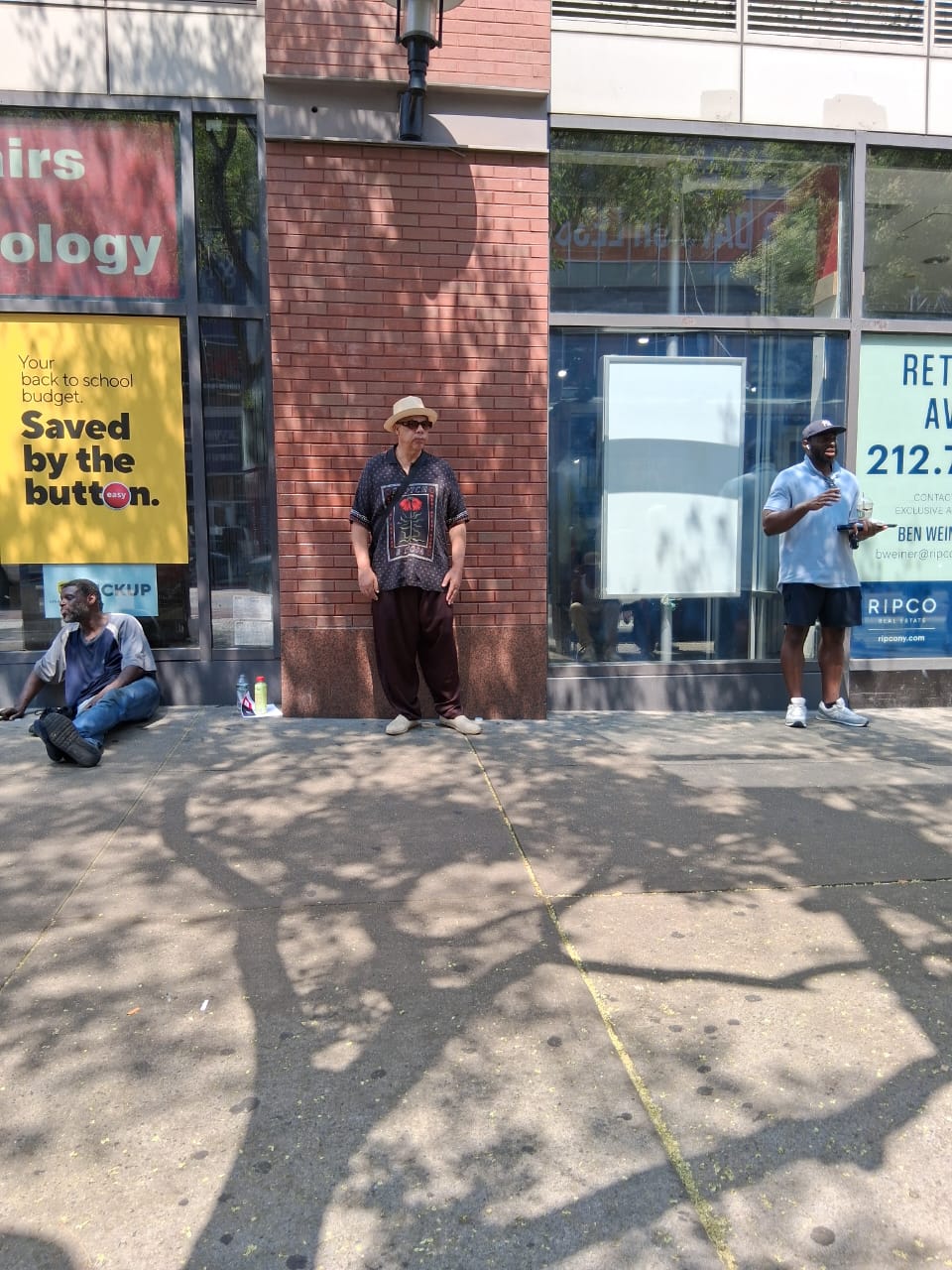
Great cities, spread across the world, have shown an increase in the number of people experiencing homelessness, leading to the emergence of certain categories of occupation, such as that practiced by homeless nomads, people living on the streets who wander in search of subsistence. This informal activity implies a negotiation with the usual structures governing the functioning of collective urban spaces. Recent visits carried out by the research coordinator, Ethel Pinheiro, to Copenhagen (Denmark), Lisbon (Portugal), New York (USA) and Berlin (Germany), in the years 2024 and 2025, revealed people experiencing homelessness coexisting, in a rather naturalized way, with people who are socially and economically active, which brings into question the dynamics shaped by a crystallized idea of urbanity.
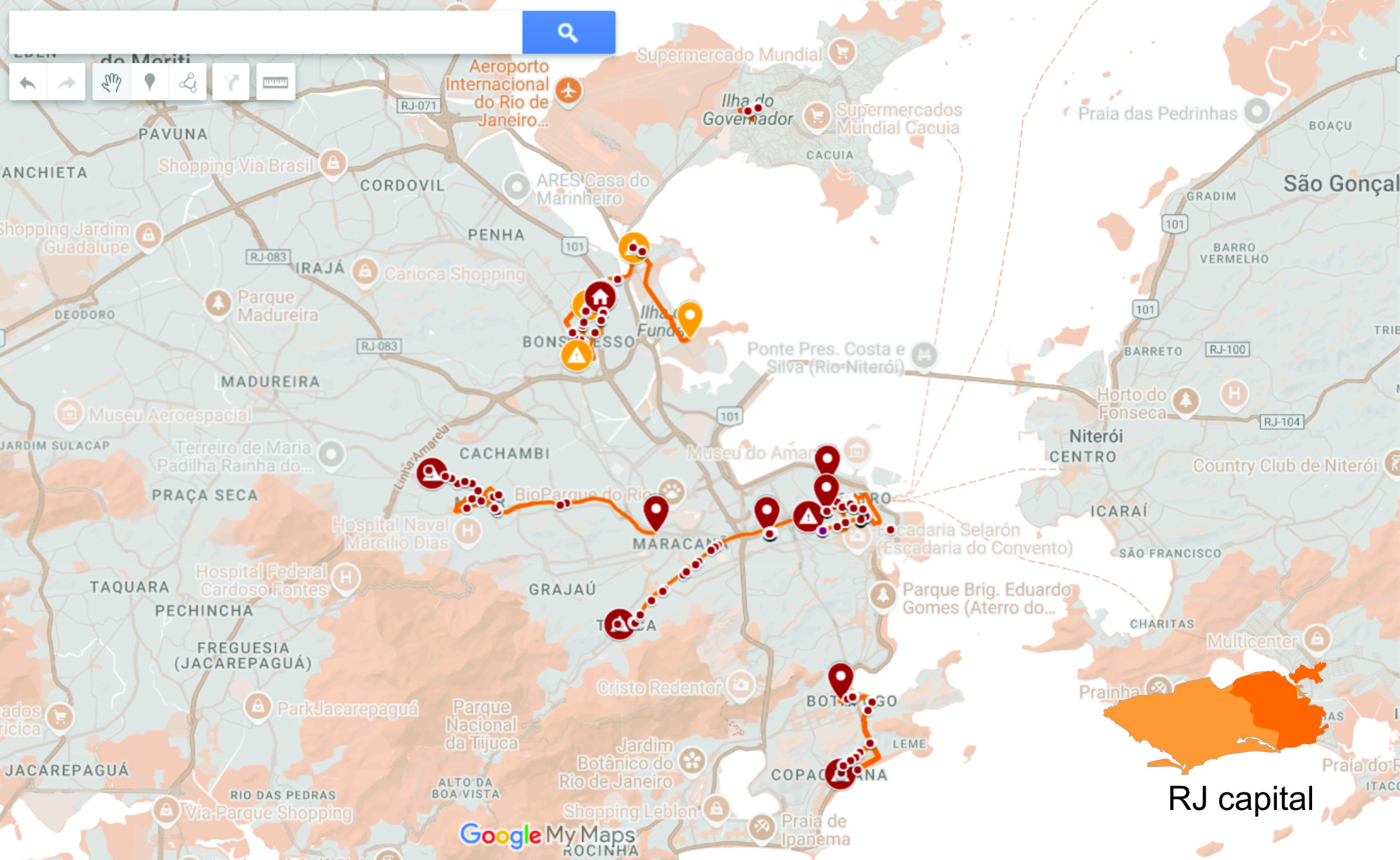
In Rio de Janeiro (RJ), IPEA (2024) suggests that there may be something close to 20,000 people experiencing homelessness in the capital. The number of people “of the street/on the street” shows a direct correlation with the deficiency of public policies and the limited adherence of urban plans in including these individuals as part of discussions on human development and social justice.
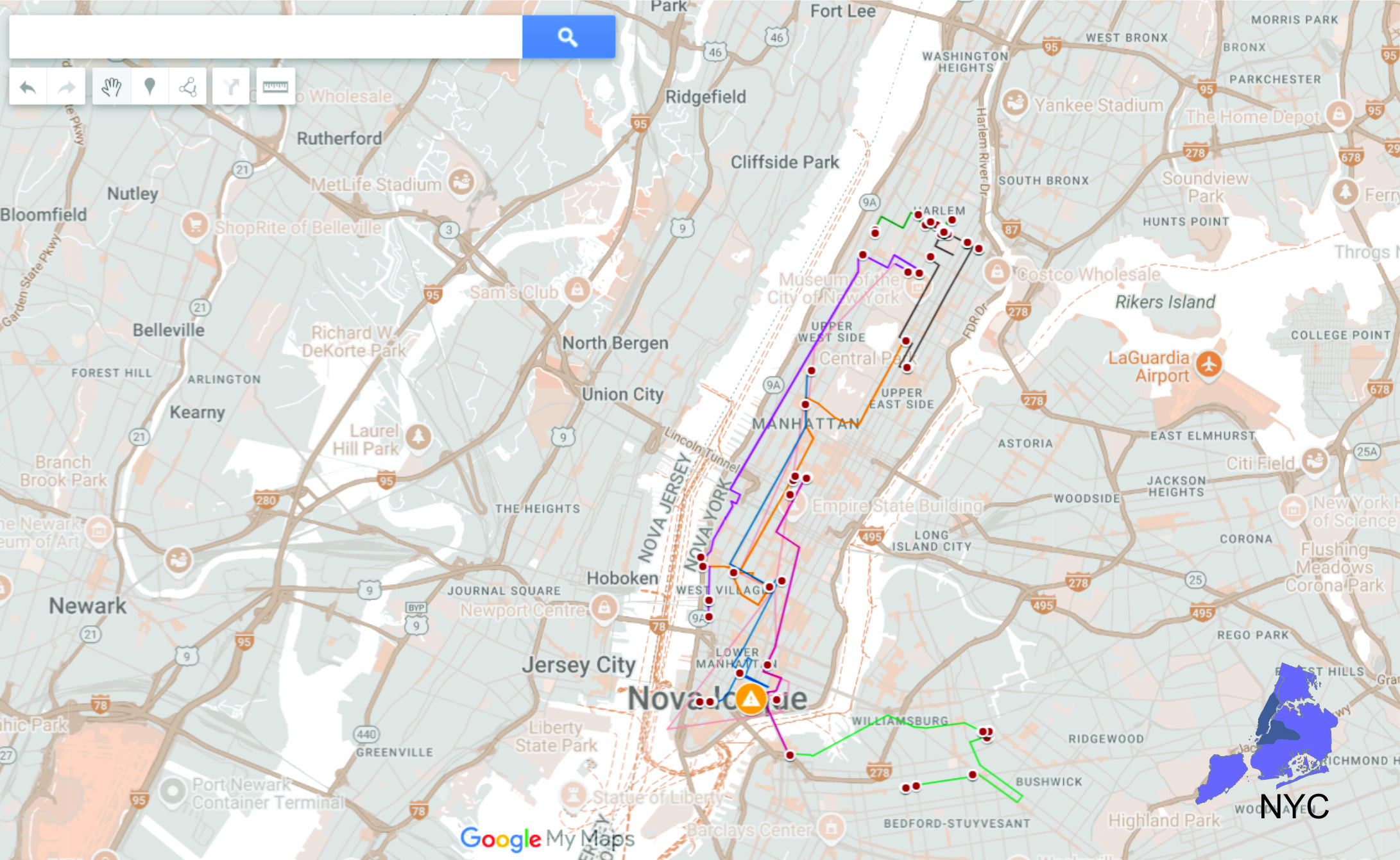
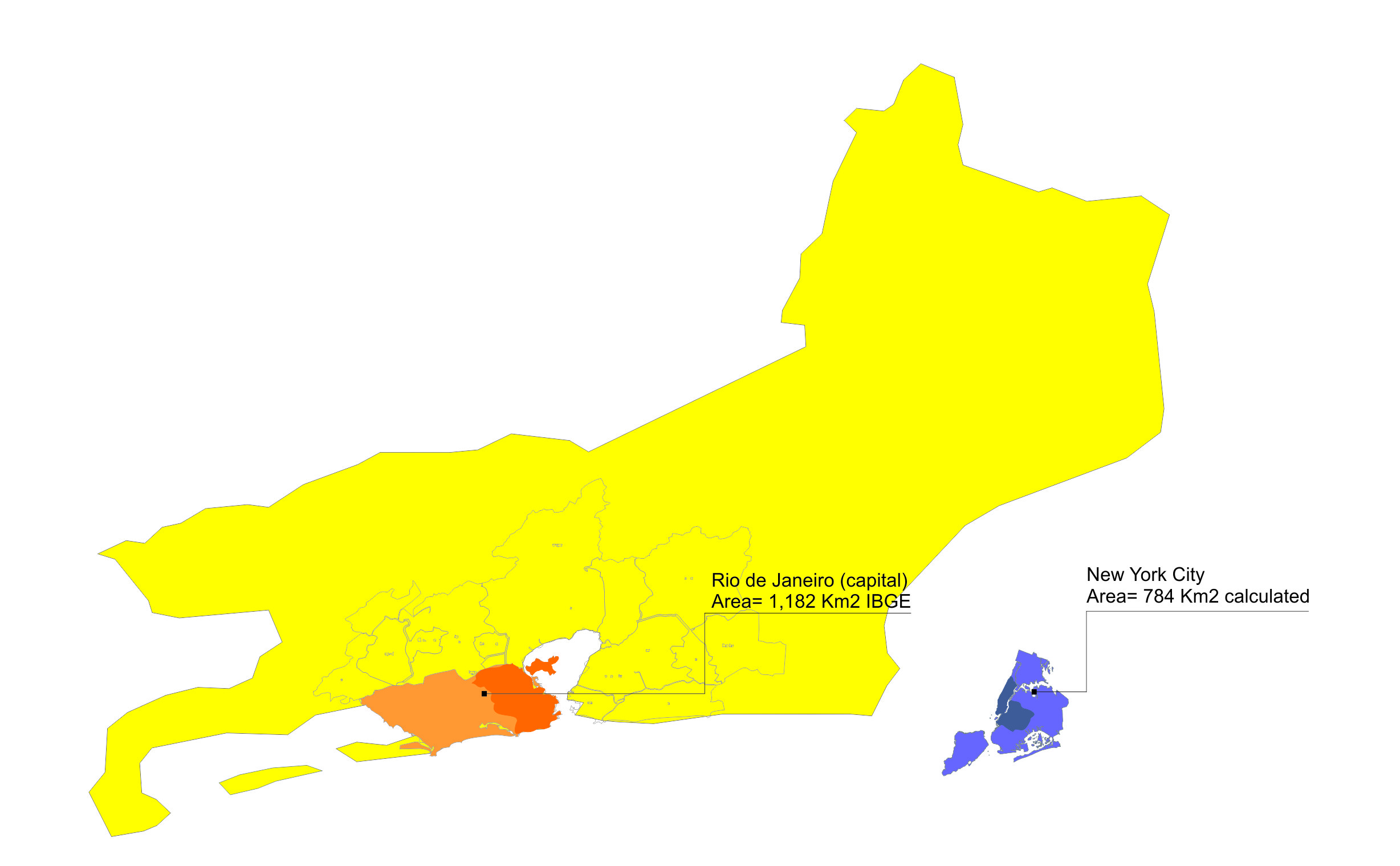
This segment, referred to as the New York Phase, took place between July and October 2025 during the coordinator's postdoctoral period at Columbia University (NY). The city of New York emerged as an ideal counterpoint to the reality of Rio de Janeiro, and also as a comparative basis, since it is the fifth-largest metropolitan area on the planet. The city that concentrates the highest number of people experiencing homelessness in the USA, in addition to being one of the most important financial centers in the world. Unlike Rio de Janeiro, people experiencing homelessness are more isolated, spread throughout the city of Manhattan (predominantly), and make communities of homeless individuals in economically poorer areas, such as Bushwick (Brooklyn) and Harlem (Manhattan), contributing to a deeper reflection on an increasingly urban and complex world, as suggested by Jacqueline Klopp, supervisor of this postdoctoral period. The mapping of various zones in both capitals made it possible to gather highly relevant data to confront social injustice and the shortcomings of urban planning in metropolitan areas.
Methodology
REFERENCES
verônica tiengo
O FENÔMENO POPULAÇÃO EM SITUAÇÃO DE RUA ENQUANTO FRUTO DO CAPITALISMO (Texto e contextos, 2018)
[Homelessness as a product of capitalism – gloss only]
–
suely rolnik
CARTOGRAFIA SENTIMENTAL: TRANSFORMAÇÕES CONTEMPORÂNEAS DO DESEJO (sulina editora, 2017)
[Affective cartography: contemporary transformations of desire – gloss only]
RESEARCH's DEVELOPMENT
In Brazil, discussions regarding public services and urban facilities toward the homeless population have emerged mildly, yet strongly driven by various social movements and working groups, as well as public departments and prosecutors’ offices focused on seeking to reverse the situation presented thus far. Among them are the TRILHAS DE CUIDADO NAS RUAS Collective, from Fiocruz, support organizations for the homeless population such as PROJETO RUAS, the ONG SOVAMOS RJ, and the Ombudsman’s Office of TRT-1st Region – research partners since 2024.
In the United States, the Center for Sustainable Urban Development (CSUD), part of Columbia University (NY), where the postdoctoral research was conducted, has sought for decades to understand and address issues related to sustainability, equity, and urban environment planning. The CSUD focuses on developing research and practical actions to build healthy, just, sustainable, and livable cities. Thus, with an emphasis on the creation of collaborative and interdisciplinary knowledge, the creative use of technologies and networks has enabled the development of impactful projects, programs, and policies among various research groups worldwide, including the research group hosting this study (Laboratory Architecture, Subjectivity and Culture – LASC/UFRJ).
In addition to CSUD, some important organizations, such as the Open Hearts Initiative (OHI - https://openheartsinitiative.org/) and the Coalition for the Homeless (https://www.coalitionforthehomeless.org/), have promoted institutional and social support throughout the streets of New York, allowing the research coordinator to participate in several meetings and actions, thereby building an important dataset for the research.
In comparison to Rio de Janeiro, homelessness in New York has reached critical levels, with approximately 350,000 people living in some form of homelessness (information based on the Coalition for the Homeless). This includes individuals living in shelters, individuals without shelter on the streets and subways, and those temporarily housed in other people’s residences. In 2025, 106,875 people slept every night in shelters in New York City, approximately 8,000 slept unsheltered in public spaces, and more than 200,000 people slept temporarily in other people’s homes. The city of New York accounted for 93% of the increase in the total homeless population of the state. Therefore, in contrast to the striking number of more than 300,000 homeless people in Brazil, and a total of 20,000 homeless individuals in Rio de Janeiro, public policies aimed at providing shelter and supporting residence in shared housing are far more developed in New York, despite the absolute numbers being practically equivalent to those of an entire country (Brazil).
APPROACH METHODS
The research, of an interdisciplinary nature, is based on field studies using photography, audiovisual recording, and georeferencing of data, in addition to welcoming activities and sensitive engagement approaches that aim to facilitate the mapping process with ethics, respect, and adaptability to the demands of investigation in various locations, to create sensitive cartographies (Rolnik, 2007). Analyzing these strata of the city, through ambiences consistent with the uses developed by people experiencing homelessness, has enriched the surveys of public spaces in Rio de Janeiro and required a highly stratified methodology. Therefore, the methodological process is based on three sequential stages:
-
- direct search for the location of people experiencing homelessness, through field visits during afternoon and nighttime periods, and with the use of public transportation (subway and buses) in New York, due to the research having been conducted individually by the researcher;
- welcoming and direct conversation with interlocutors, including the provision of beverages (mineral water) and explanatory material about the research, including the translated “Free and Informed Consent Form,” when consented to by the interlocutor;
- mapping of locations where people experiencing homelessness remain, as well as records of personal narratives and relevant data for the sensitive analysis of individuals.
The application of the three aforementioned stages enabled the synthesis of the method “Cartography of Invisible Cities” for New York City, with final representation in digitized graphic schemes, carried out through dérives across most neighborhoods of the entire city of New York, among its boroughs: Manhattan, Queens, The Bronx, Brooklyn, and Staten Island.
The absence of interviews in New York did not compromise the comparison of data, since the main focus was always to assess the urban clusters of the homeless population in both metropolises. The neighborhoods surveyed between July and September 2025 were: in Manhattan – East Harlem, Central Harlem, Upper West Side, West Village, Chelsea, Midtown, Lower East Side/Chinatown; in Brooklyn – Dumbo, Brooklyn Heights, Bedford-Stuyvesant, and Bushwick; in the Bronx – Highbridge, Morrisania, Riverdale; and in Queens – Flushing, Fresh Meadows, Astoria, and Rockaway. The borough of Staten Island was not investigated, as it is predominantly composed of single-family houses within well-organized residential developments.
Results
references
PATRICE SCHUCH; IVALDO GEHLEN
A “SITUAÇÃO DE RUA” PARA ALÉM DE DETERMINISMOS: EXPLORAÇÕES CONCEITUAIS (didática editora do brasil, 2012)
[“Homelessness” beyond determinisms: conceptual explorations – gloss only]
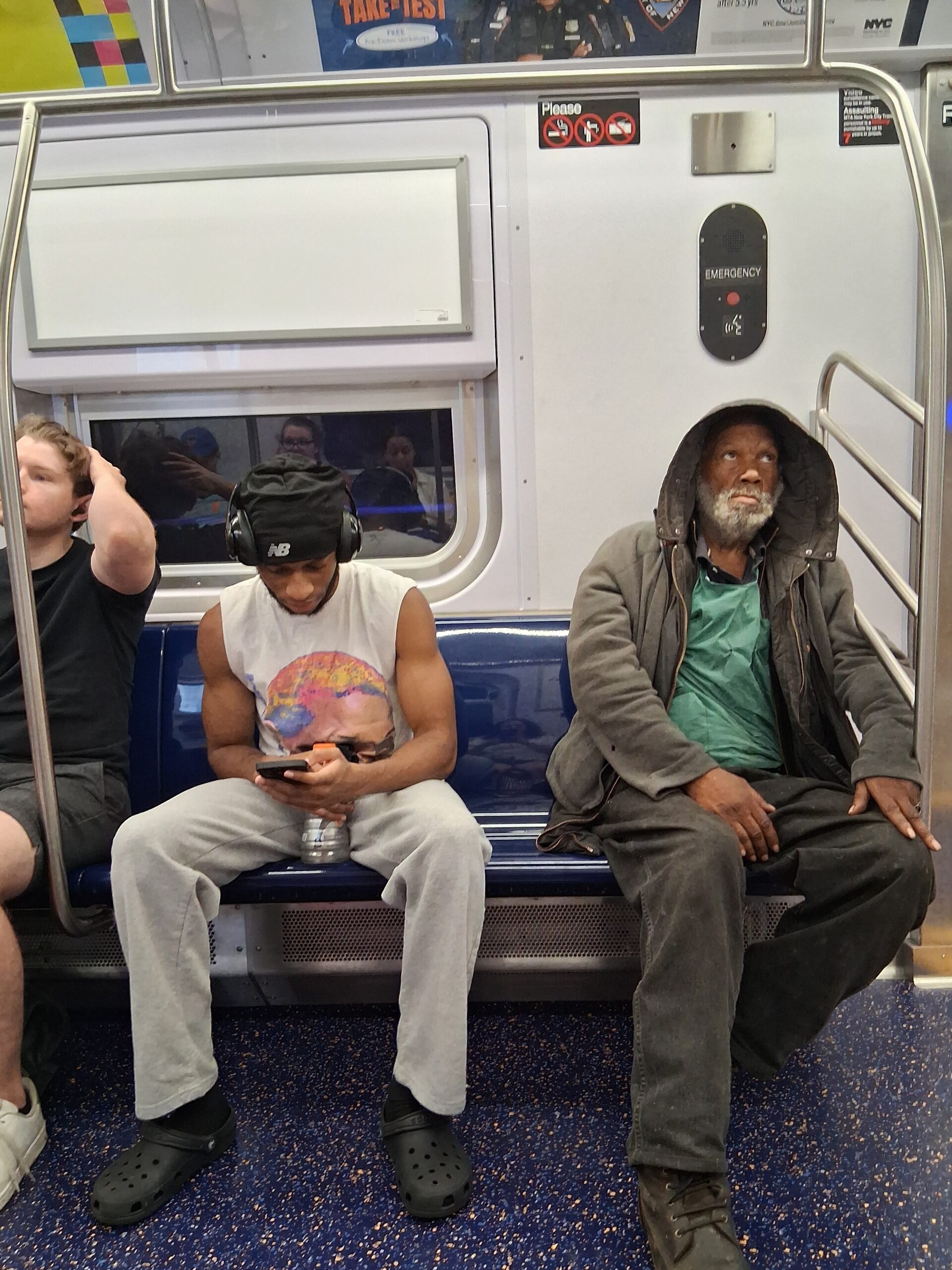
In New York, despite the lack of responses to interviews (as mentioned), the large number of isolated individuals across various parts of the city demonstrated that shelter policies and shared housing initiatives are reasonably effective. The primary observation that people experiencing homelessness were not in a condition to speak with the researcher, due to evident mental health issues, was confirmed by data provided by official agencies, such as the New York Department of Homeless Services (DHS). This information also explains why only certain areas of Manhattan and Brooklyn—particularly those with lower human development indices (Harlem – Manhattan and Bushwick – Brooklyn, for example)—concentrate a higher number of homeless individuals in specific locations near commercial areas, where sources of food assistance or small-item exchanges are readily available.
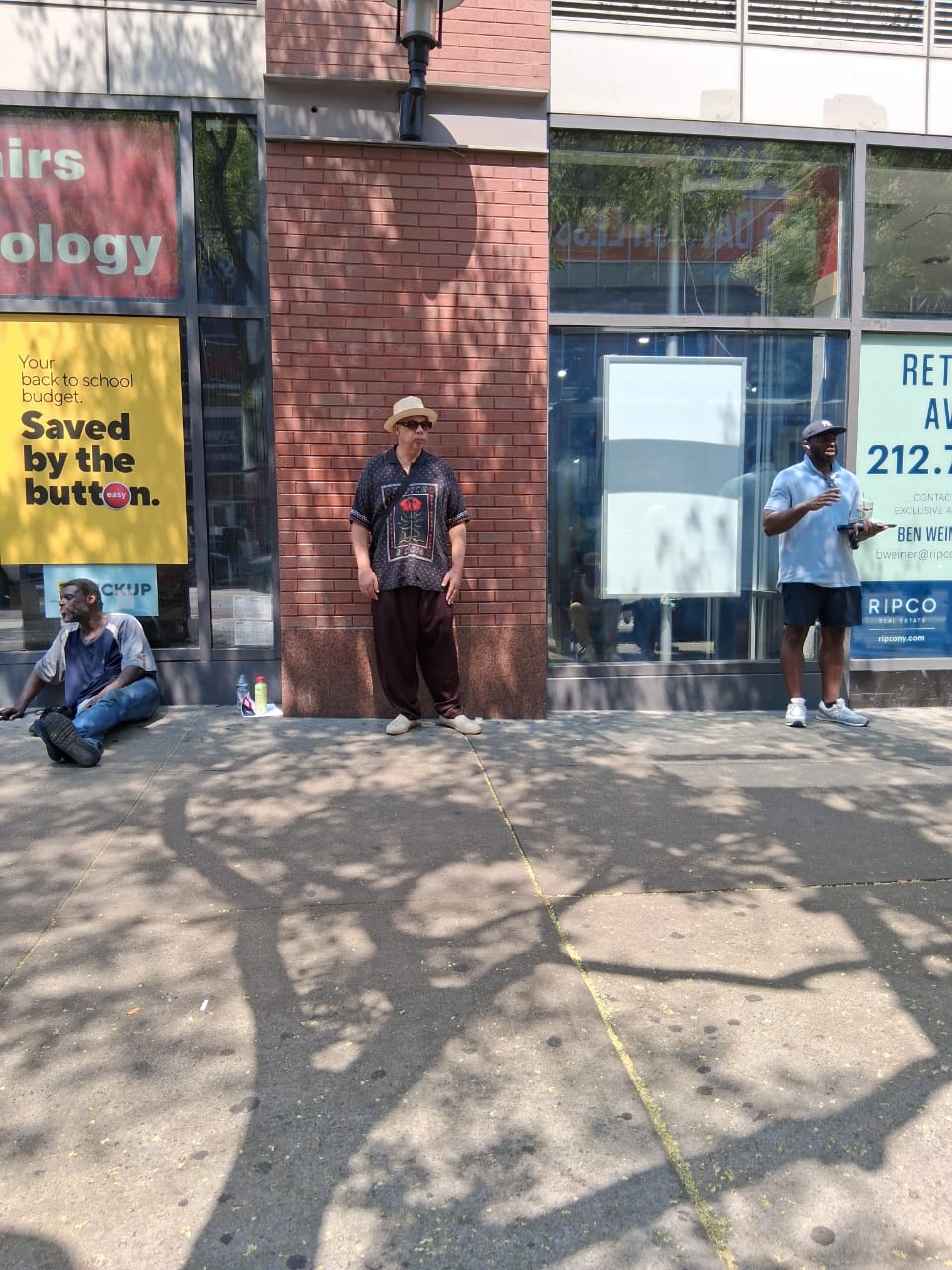
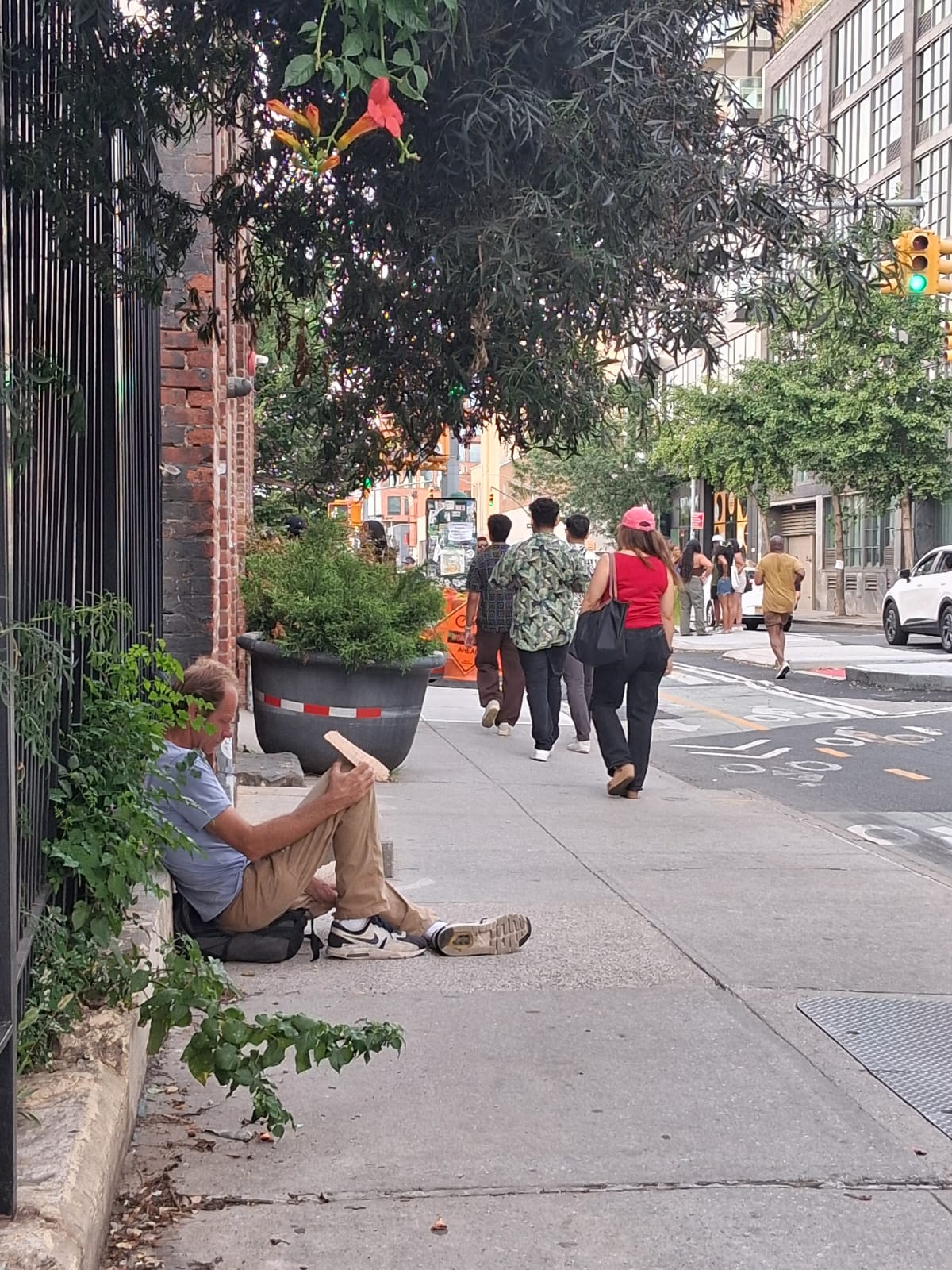
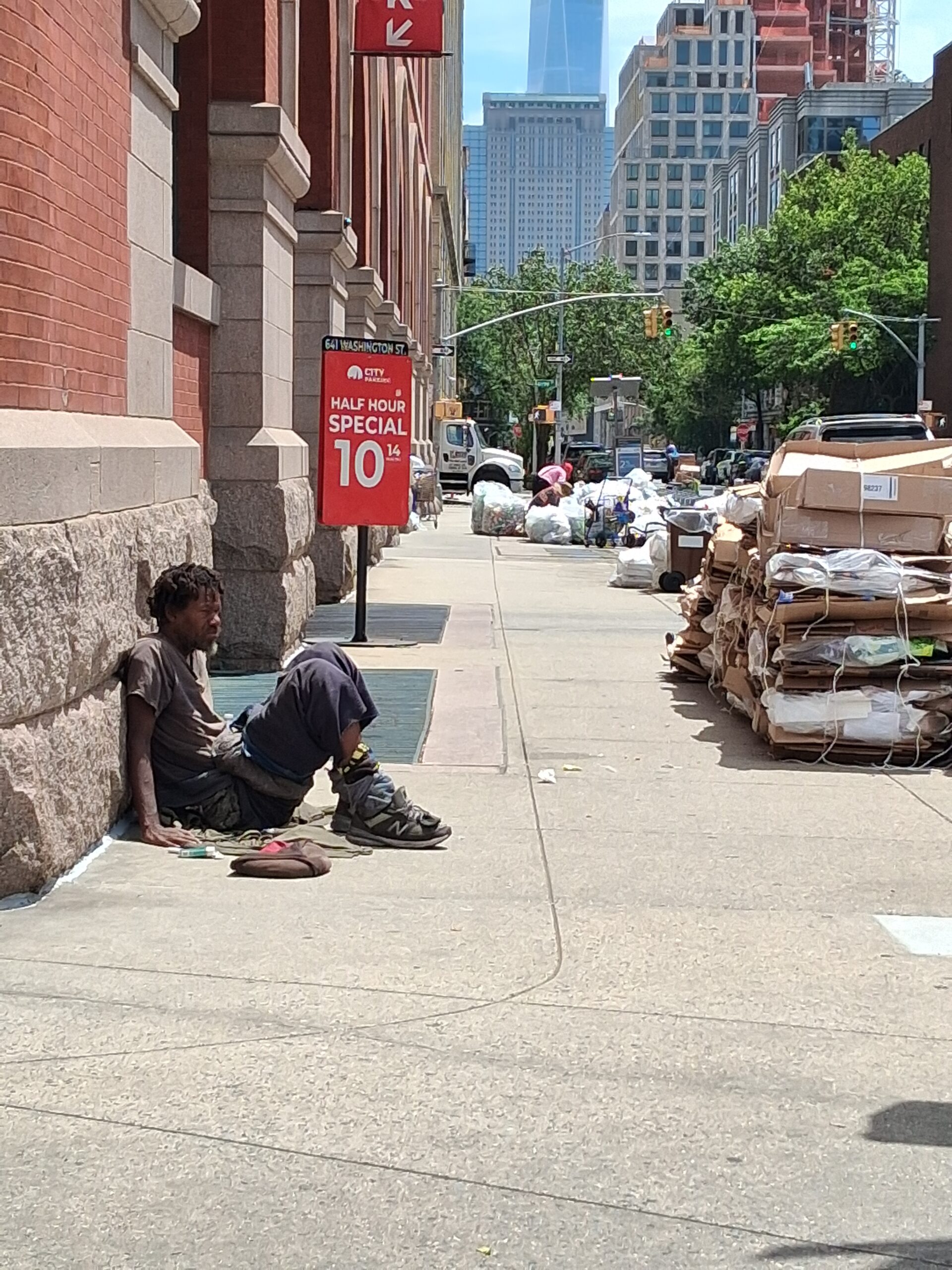
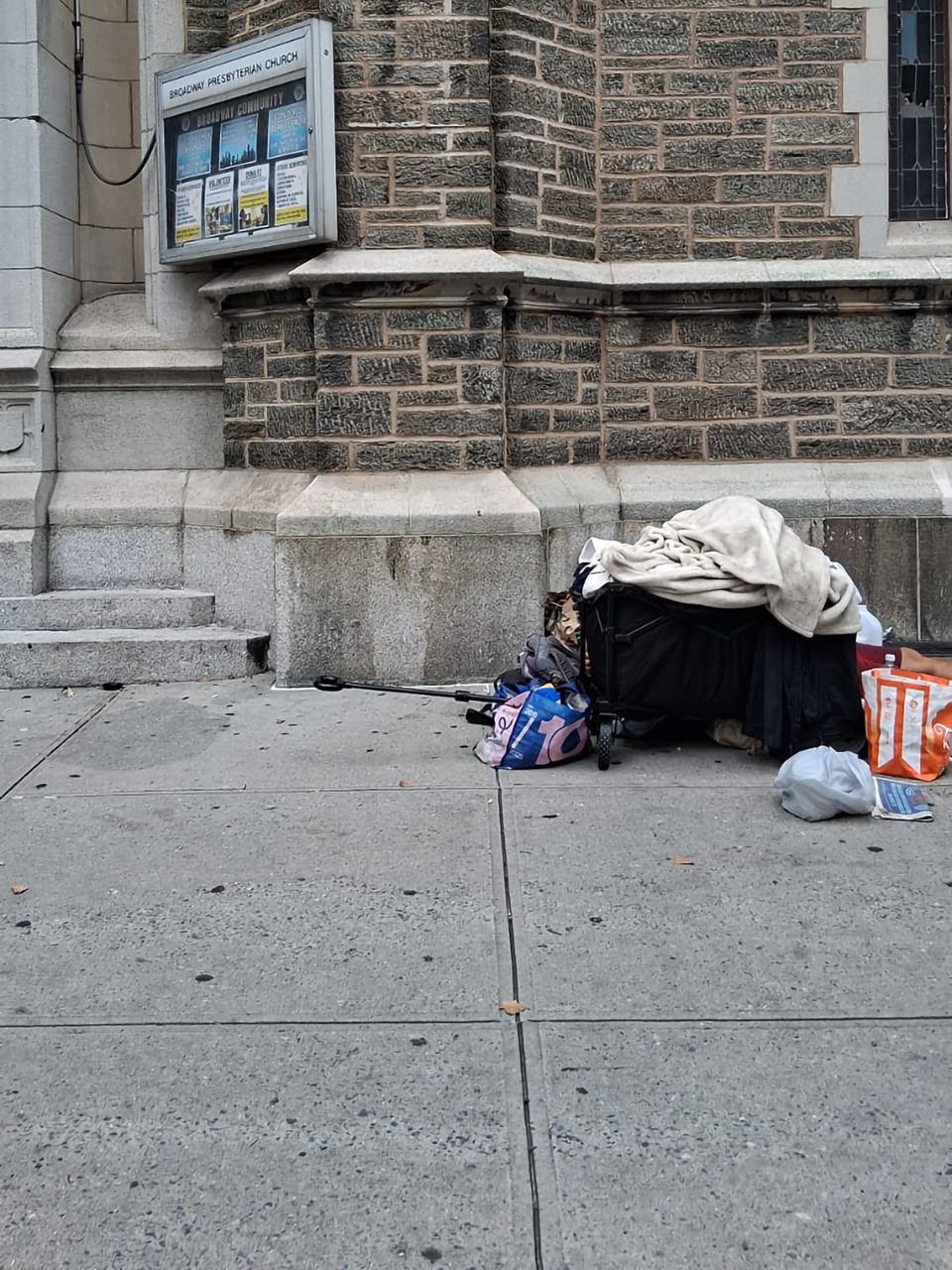
During the actions carried out in Rio de Janeiro, a sticker (in fact, a non-sticking adhesive) with the phrase “The street is not my home” is given to homeless individuals after the interview, so that it can be placed in locations they pass through. In New York, few stickers were distributed, mainly in Chinatown. On the following days, during routes through the same neighborhood, the sticker was found attached to a post in front of a commercial establishment, offering a relevant perception of where exactly homeless individuals believe their message to be effective. This approach not only promotes the visibility of a hidden city, marginalized by the lack of public policies and adequate urban planning, but also enables the mapping of social differences among those who move through the streets and introduces a degree of questioning for those who encounter the sticker.

This stage of the research demonstrated that the growth of the homeless population in large cities has not altered its apparent invisibility. The lack of concern about the creation of participatory activities by both civil society and governments is evident and reinforces the perceived incivility of the homeless population, as discussed by Schuche and Gehlen (2012).
Rio de Janeiro and New York are indeed cities that value outdoor life, collective activities, and leisure that draw on the benefits of nature embedded within the asphalt of their urban fabric. However, all these activities are directed toward qualified and economically active bodies, who experience the dimensions of public and private life according to urban planning guidelines designed for idealized individuals.